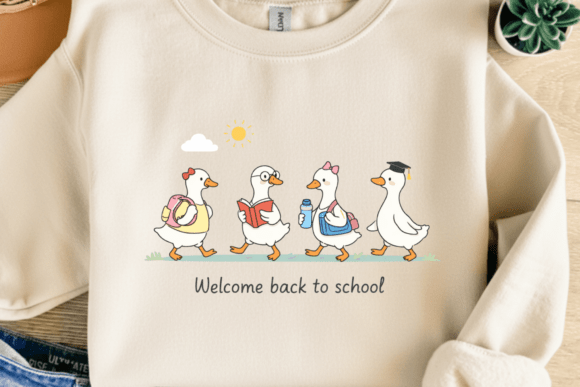
Welcome Back to School Shirt PNG: Creating Quality Apparel with Adorable Duck Designs
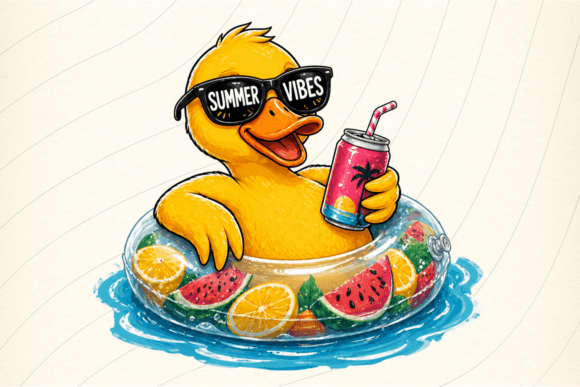
The transition back to the classroom is a significant milestone, and capturing that excitement through custom apparel is a tradition for many families and educators. When searching for the perfect graphic to commemorate this occasion, a Welcome Back to School Shirt PNG featuring adorable ducks with backpacks, books, and graduation caps offers a unique blend of whimsy and academic spirit. This specific design resonates because it balances the seriousness of education with the playful innocence of childhood, making it an excellent choice for kindergarten through elementary levels, as well as for teachers who want to project a friendly, approachable classroom vibe.
However, acquiring a high-quality digital asset is only the first step in creating a successful garment. Many creators, parents, and small business owners encounter frustration not because the design itself is lacking, but because of technical oversights during the selection and application process. Understanding the nuances of digital files, print compatibility, and design placement can transform a mediocre DIY project into a professional-looking keepsake. By addressing common pitfalls early, you ensure that your creative effort results in a vibrant, durable, and visually appealing product.
Evaluating Resolution and File Integrity Before Purchase
One of the most frequent mistakes when sourcing graphics for apparel is assuming that any image found online will suffice for printing. Low-resolution files are the primary culprit behind pixelated, blurry, or jagged prints that ruin the aesthetic of a cute duck illustration. When evaluating a Welcome Back to School Shirt PNG, resolution is non-negotiable. The standard for high-quality direct-to-garment (DTG) printing or heat transfer vinyl (HTV) requires substantial pixel density.
This specific digital download includes a file sized at 4500 × 5400 pixels. This dimension is critical because it provides enough data to print clearly on adult-sized shirts without losing detail. A common error occurs when users attempt to stretch a smaller file, such as one intended for web use or stickers, to fit a torso. This stretching artificially inflates pixel size, resulting in a blocky appearance. Always verify the pixel dimensions before downloading. If a seller does not list exact dimensions or offers files under 3000 pixels on the longest side for apparel use, proceed with caution. For the best results, ensure the source file maintains a minimum of 300 DPI at the intended physical print size.
The Importance of True Transparency in PNG Files
The "PNG" designation implies transparency, yet many buyers overlook verifying this feature until after they have loaded the file into their design software. A true transparent background allows the duck characters and school elements to sit seamlessly against fabric of any color. Unfortunately, some files labeled as PNGs actually contain a white or checkered background that has been flattened. When printed, this results in an unsightly white box surrounding the artwork, which is particularly problematic on colored shirts.
Before committing to a print run or cutting vinyl, open the file in your editing software and place a brightly colored layer beneath it. If the background disappears completely, revealing only the duck and accessory elements, the transparency is genuine. This verification step saves wasted materials and time. Additionally, check for semi-transparent edges or "ghosting" around the artwork. Poorly erased backgrounds can create a hazy outline that looks unprofessional on dark fabrics. High-quality assets like the 4500 × 5400 px file mentioned here should have crisp, clean edges suitable for both light and dark garments.
Matching the Design Style to the Printing Method
Not all printing methods interact with cartoon illustrations in the same way. A playful design featuring intricate details like book spines, backpack straps, and graduation cap tassels requires a method capable of reproducing fine lines and vibrant colors. A common oversight is selecting a printing technique based solely on cost rather than design suitability.
- Direct-to-Garment (DTG): Ideal for this type of detailed, multi-colored cartoon art. DTG printers handle gradients and small details exceptionally well, preserving the "cute" factor of the duck characters.
- Heat Transfer Vinyl (HTV): While popular for DIY, HTV struggles with complex, multi-colored illustrations. Attempting to layer vinyl for a detailed duck with a backpack can result in a stiff, heavy feel and alignment issues. If using HTV, consider printing the design onto printable vinyl instead of cutting individual layers.
- Sublimation: Excellent for polyester blends, offering soft-hand feel and vivid colors. However, sublimation cannot be used on cotton. Ensure your shirt material matches the ink type before starting.
- Screen Printing: Best for bulk orders but often cost-prohibitive for single items with many colors. The setup fees for a detailed four-color duck design may outweigh the benefits for personal projects.
Understanding these limitations prevents disappointment. If you are a teacher making a single shirt for yourself, DTG or printable HTV is likely superior to traditional screen printing. If you are a parent making matching outfits for siblings, verify that your chosen method can handle the color complexity of the graduation cap and books without becoming prohibitively expensive or technically difficult.
Design Placement and Sizing Considerations
Even a perfect high-resolution file can look awkward if placed incorrectly. A frequent issue with "Welcome Back to School" designs is improper scaling relative to the wearer's size. A graphic that looks proportional on an adult medium may overwhelm a toddler’s 2T shirt or appear lost on an XXL teacher tee. Avoid the "one-size-fits-all" mentality.
For youth sizes, a width of 5 to 6 inches is typically appropriate, centered about 2 to 3 inches below the collar seam. For adult sizes, 9 to 11 inches is standard. Because this specific PNG is tall (5400 px height), pay attention to the vertical aspect ratio. Ducks standing upright with backpacks take up significant vertical space. Placing the design too low can make it look like it belongs on the stomach rather than the chest. Conversely, placing it too high can encroach on the neckline. Always create a mockup or use a paper template held against a similar garment to visualize the final placement before printing. This simple corrective step ensures the adorable school theme lands exactly where it should.
Managing Expectations for Digital Downloads
Clarity regarding product delivery is essential for customer satisfaction and project planning. It is vital to remember that this item is a digital download file. No physical product will be shipped. Beginners sometimes miss this distinction, expecting a pre-printed shirt or iron-on transfer to arrive in the mail. Recognizing this immediately allows you to plan for the necessary production time, whether you are printing at home, using a local shop, or ordering from an online print-on-demand service.
Furthermore, digital files require proper storage and backup. Once downloaded, save the master 4500 × 5400 px PNG in a dedicated folder. Repeatedly saving edited versions over the original can degrade quality or accidentally alter transparency. Keep the pristine master file safe so you can return to it for future projects, such as creating matching tote bags, classroom decorations, or sticker sheets. The versatility of a high-resolution transparent PNG extends far beyond a single t-shirt, provided you manage the asset correctly from the start.
Ultimately, creating a memorable back-to-school outfit hinges on respecting the technical requirements of the medium. By prioritizing resolution, verifying transparency, selecting the appropriate print method, and sizing intentionally, you elevate a simple digital file into a cherished piece of school spirit. The adorable duck design serves as a joyful symbol of new beginnings, and treating the production process with care ensures that joy translates perfectly onto fabric.